Note: Please be informed that LCS Site will be temporarily unavailable on 29 Sep from12:00 AM to 11:59 PM (SGT) due to scheduled maintenance.
Living Case Study
Deep dive into topics shaping the future of the legal profession.
Follow our journey and join the movement towards a more sustainable legal profession.
Chapters
Reports
Newsroom
The Mindful Business Movement (MBM) unveils shared Vision co-created together with partners.
Gallery
About Us
As an initiative managed by the Singapore Academy of Law, Living Case Study aims to be the voice of lawyers from across the profession – from junior lawyers, to specialists in niche industries, to in-house counsels and seasoned professionals. We believe that all legal professionals should have a say in the envisioned culture of lawyers. By gathering a diverse group of lawyers and guest writers, Living Case Study unpacks the conversations that matter most in the modern legal profession.
Frequently Asked Questions
Each individual chapter of Living Case Study showcases a different area of work done to address issues concerning the future of the legal profession.
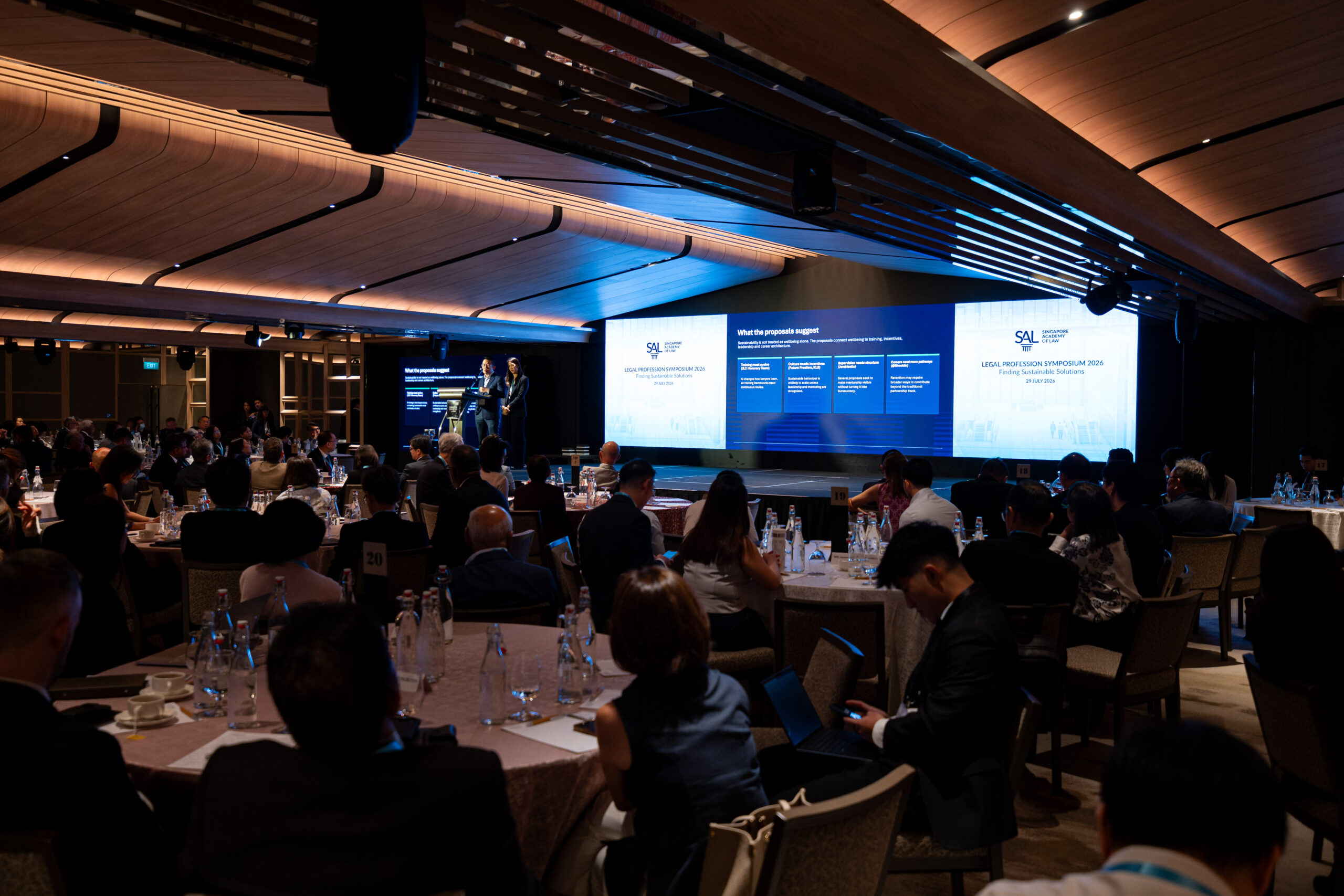
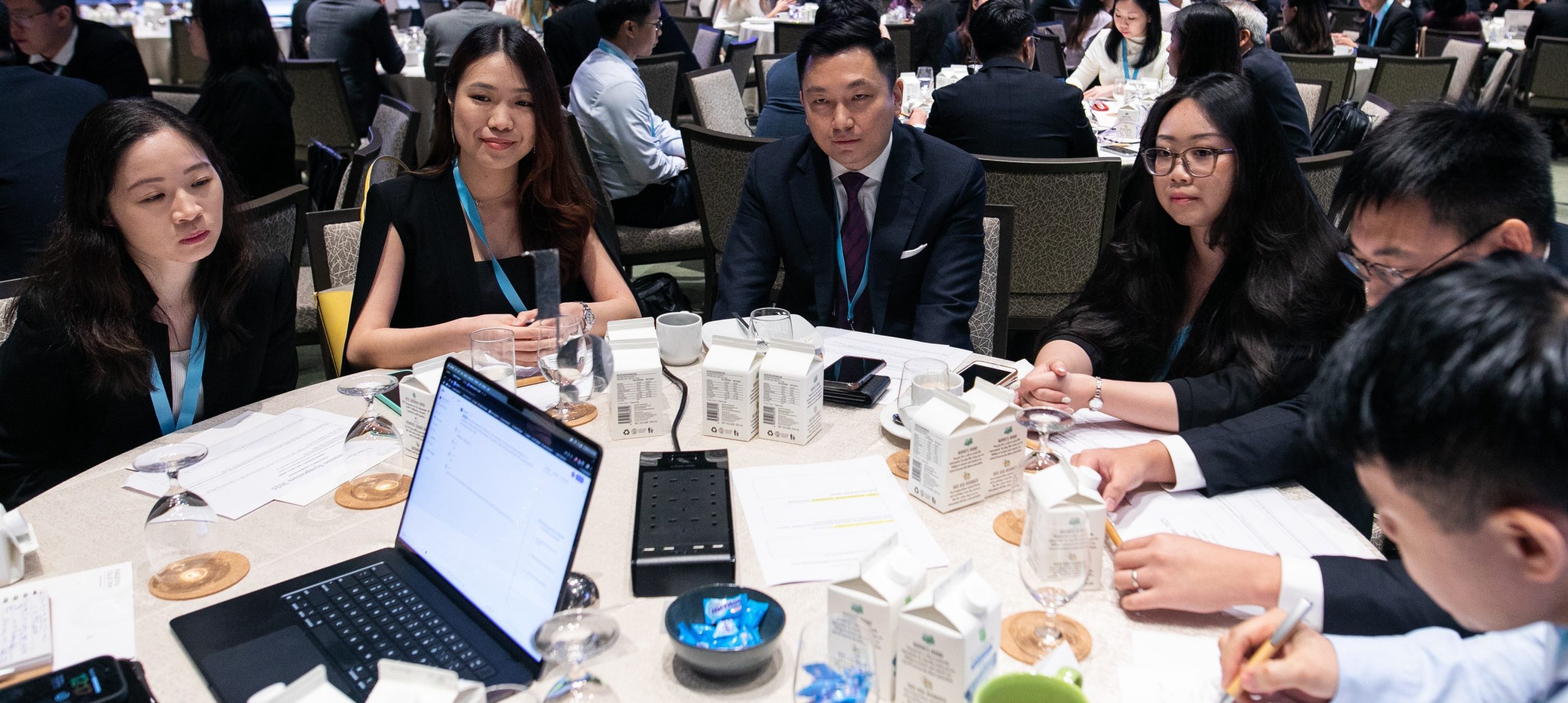
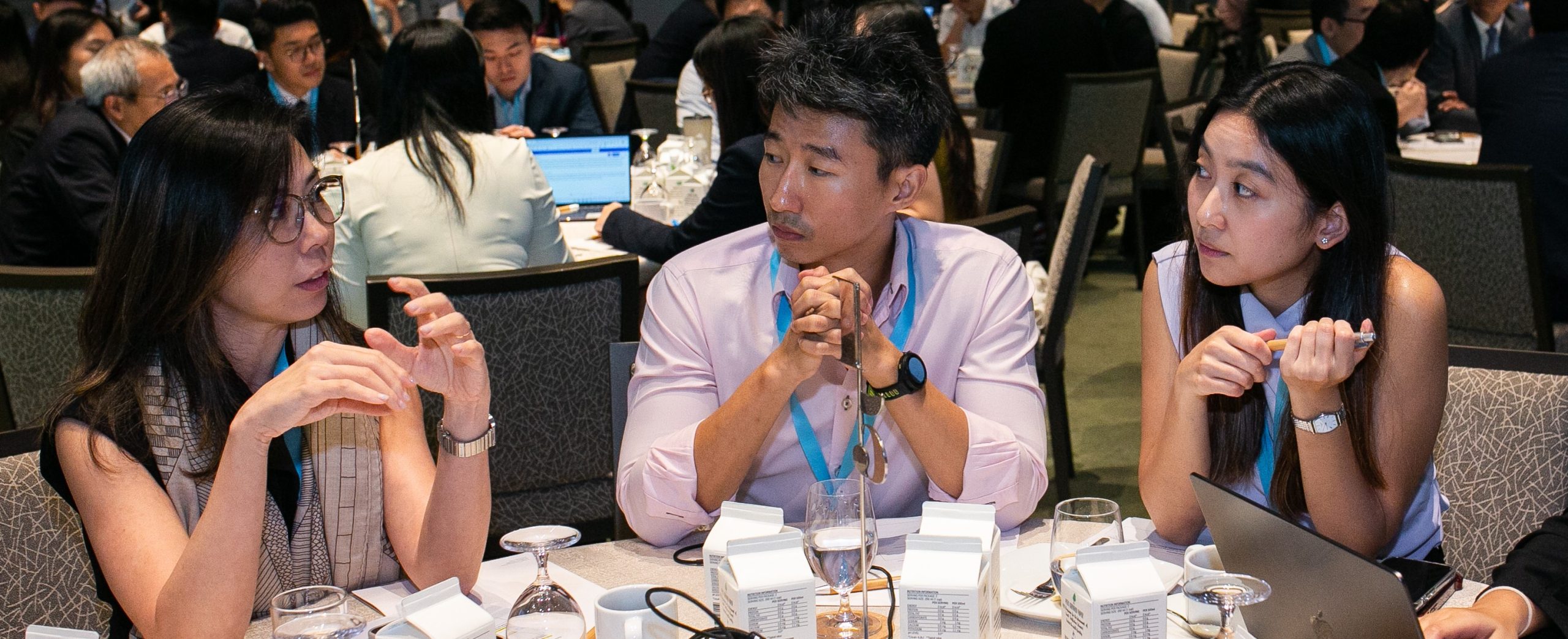
LPS is a yearly conference that brings together judges, lawyers, aspiring lawyers and stakeholders, to discuss the issues faced by the legal profession in an ambiguous world. Living Case Study continues the discussion and explores possible solutions to the issues surfaced. Stakeholders are able to track and give feedback regarding the implementation of these solutions. A review of this progress will be showcased in next year’s LPS 2026.
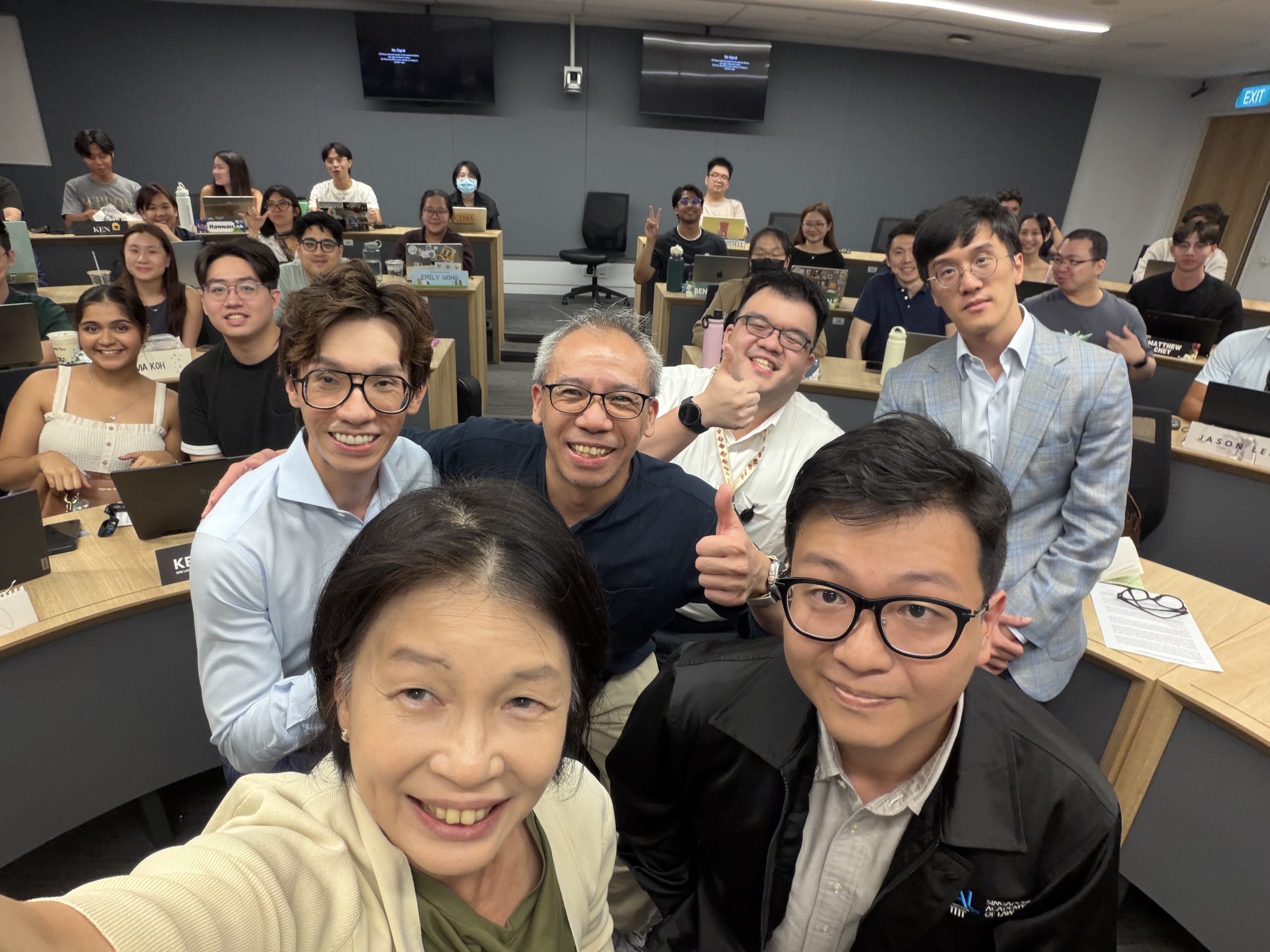
A group of advocate junior lawyers, led by a corresponding group of senior lawyers, have taken up the challenge of implementing solutions to issues of sustainability in the legal profession. The Singapore Academy of Law also provides supporting resources for these initiatives. Thereafter, these aspiring legal professionals would share their findings and provide more insights, written as the various chapters of the Living Case Study.
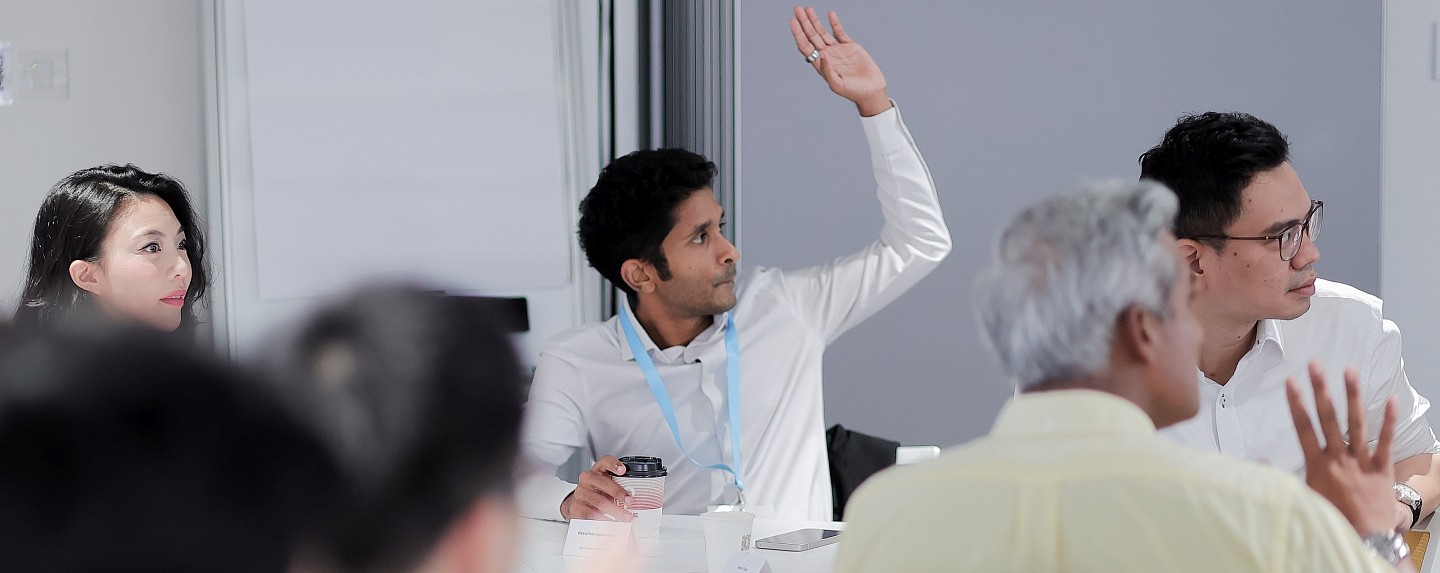
Yes! SAL Members can take part in the discussion by logging in to comment and participate in polls. Open, respectful and constructive feedback is welcome, and your input will be taken into account in the processes of planning and implementation.